Pastoral Care

We all know that children learn best and are more willing to try new things when they are happy. That simple idea sits at the heart of pastoral care in schools, and it shapes daily life at Broomfield House School in Kew. For us, pastoral care means the relationships, routines, curriculum and support systems that help every pupil feel safe, known, listened to and ready to learn. 

Our pastoral care aims to create an environment where children feel safe and secure, have fun things to do and can tell us if anything is upsetting them. All staff help children identify what gives them joy, building a positive, optimistic attitude to life, while our PSHE curriculum, assemblies, and Pupil Council help them understand their place in the world and in our community. 
What Is Pastoral Care in Schools?

Pastoral care is the network of relationships, school routines, curriculum and support that looks after pupils’ personal, social and emotional wellbeing alongside their education. It is not one lesson, one member of staff or one programme. Instead, it is the way a school notices how each child is feeling, helps them build friendships and resilience, and steps in early when something is not right.

There is no single model every school must follow, so pastoral care can look quite different from place to place. Pastoral care in primary schools and prep schools, where children are aged 3-11, tends to be built around close relationships with staff who know each child well, consistent routines and plenty of chances for children to talk about how they feel.

At Broomfield, pastoral care runs through everything we do: our relationships with pupils, our behaviour expectations, PSHE and assemblies, pupil voice, wellbeing monitoring and targeted support for children who need it. The table below shows how these layers work together.

How Pastoral Care Works at Broomfield

Pastoral layer  What it looks like at Broomfield 
Everyday culture  Four shared core values, consistent behaviour expectations, positive recognition such as the Headteacher’s Award, and celebration assemblies twice a week. 
Curriculum  PSHE lessons and assemblies that build knowledge and skills for relationships, health, wellbeing and life beyond school, supported by our PSHE and RSHE policies. 
Listening to pupils  The Happiness Survey, a range of ways for children to share worries, and an elected Pupil Council. 
Transition and belonging  A buddy system for new pupils, a house system that mixes year groups, and activities that bring the whole school together. 
Additional support  Trained Emotional Literacy Support Assistants (ELSAs), a certified Youth Mental Health First Aider and LEGO Club to build social confidence. 
Independent validation  Our latest inspection found that leaders promote pupils’ mental and emotional wellbeing through the curriculum, school routines and effective pastoral systems. 

When comparing pastoral care in independent schools, parents often ask which schools have the best pastoral care. There is no single league table for this, so it is worth asking each school how it listens to children, how it monitors wellbeing, who a child can turn to, and what inspectors have said about pastoral provision. 

Our Core Values

Our core values, Curiosity, Creativity, Courage and Kindness, are communicated throughout the school in practical ways and guide everything from classroom interactions to playground conduct. They give children a shared language for how we treat one another and how we approach learning. 

  • Consistent expectations: we have high expectations for behaviour and reward positive conduct at every opportunity, within agreed procedures that keep things consistent and fair. 
  • Recognition: each half term, one child from each year group receives the Headteacher’s Award for consistently reflecting the Broomfield values. Winners enjoy tea with the Head, with cakes baked by our Chef. 
  • Belonging: on Wednesdays and Fridays, we come together in assembly to celebrate achievements as a school family, recognising success in the classroom, around school and in clubs and competitions outside school. 
  • Houses: from Year 2, children join Mead, Palmer or Rose House, named after former Headteachers. Houses mix children across year groups, support a chosen charity and compete in sport and in events such as our Spelling Bee and General Knowledge Challenge. 

Awards and assemblies are one part of a wider pastoral system that helps every child feel noticed and valued. 

Our PSHE Curriculum and Personal Development

PSHE (Personal, Social, Health and Economic education) helps pupils develop the knowledge, skills and attributes they need to stay healthy and safe, build positive relationships and prepare for life beyond school. At Broomfield, our PSHE curriculum focuses especially on health and wellbeing, giving pupils the understanding they need to lead positive, happy lives while developing their independence and celebrating their individuality. 

In PSHE lessons, children explore how to be comfortable in their own skin, appreciate their unique strengths, work on areas they want to develop, be fit and healthy, and imagine their futures by identifying their dreams and goals. These ideas are reinforced in our assemblies, which help children understand the world around them and their place within it. 

Online safety is part of this picture too. Our computing curriculum includes dedicated lessons every half term on respectful, kind and responsible use of the internet and digital devices. 

Relationships Education is statutory for all primary schools in England, including independent schools, and revised Department for Education guidance on Relationships, Sex and Health Education (RSHE) came into force on 1 September 2026. You can read our current PSHE and RSHE policies for full details of what is taught and when

Understanding our Children

What happens if my child is struggling? At Broomfield, the answer starts with noticing early. 

  • We listen: staff actively seek children’s views and feelings through everyday conversations, the Happiness Survey and the Pupil Council. 
  • Children have ways to speak up: we offer a range of strategies for children to share their worries, so that every child has a way to tell us something is wrong, even if they find it hard to say out loud. 
  • Trained staff can help: our Emotional Literacy Support Assistants (ELSAs) support children’s emotional wellbeing, and our certified Youth Mental Health First Aider is trained to recognise and respond to mental health concerns. 
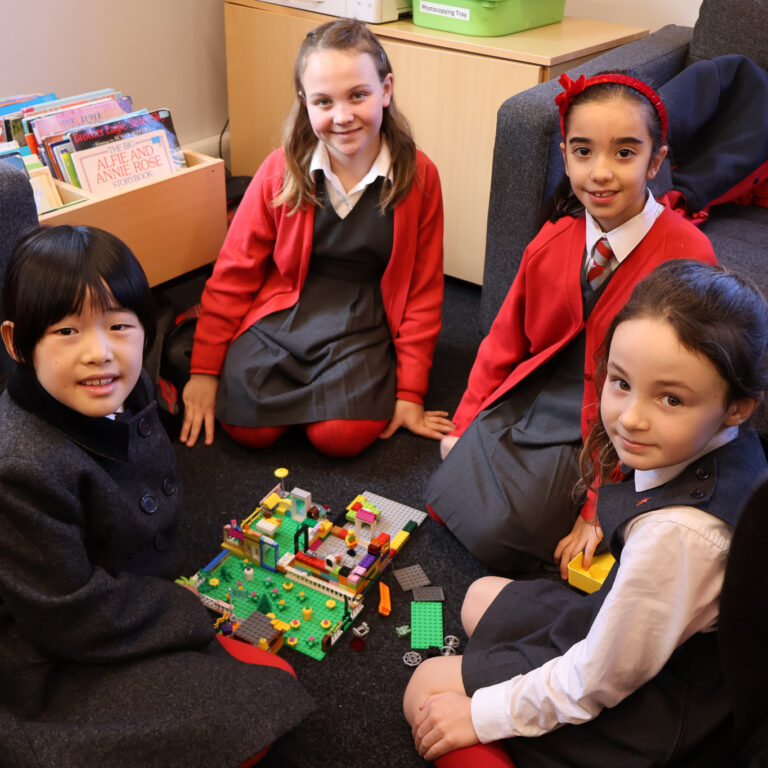
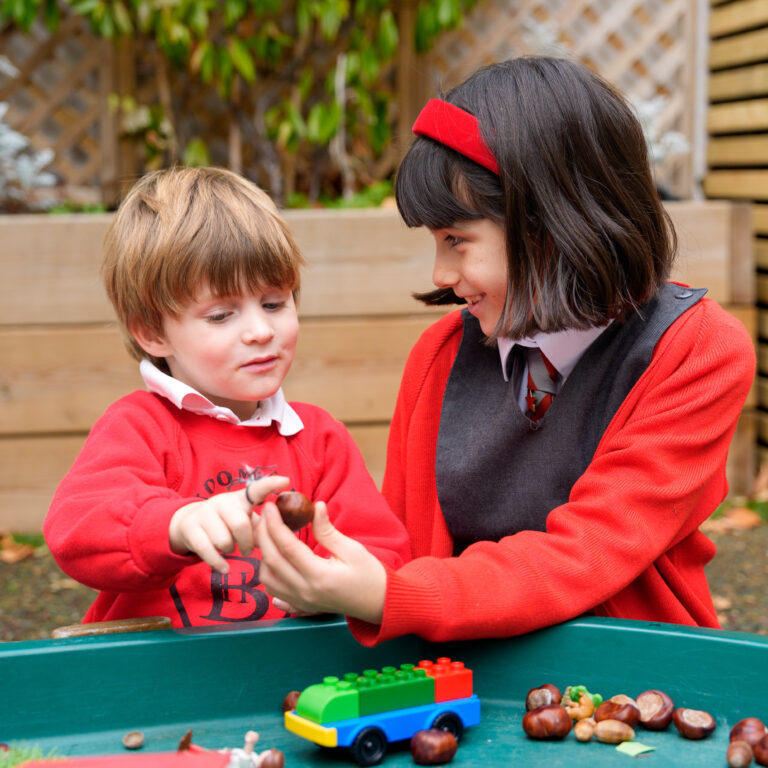
  • Small groups build confidence: LEGO Club can be a terrific way for children who feel less confident socially to build their social skills while working on a joint project. 
  • We work with families: we place great value on clear communication with parents, so that home and school can support each child together.  

All pastoral support sits within the school’s wider safeguarding arrangements, which are set out on our Safeguarding and Policies pages. 

Pupil Wellbeing and Inclusion

Our approach to wellbeing is proactive: we build support into every part of the school day, then add extra help for children who need it. It works in four layers. 

  • Support for every child: each year group has two teachers in the classroom, so an adult is always close by and knows each child well. Shared values, clear routines and frequent praise help children feel secure. 
  • Listening and monitoring: we use a variety of ways to understand children’s views, experiences and feelings. A key one is our Happiness Survey, in which we ask directly whether there is anything we can do to help children feel happy and confident in school and in their friendships. We share results with staff so we can spot trends and respond early. 
  • Belonging and transition: we use a buddy system for new pupils, and children who join mid-year receive a personalised induction, from a welcome visit to meeting their teacher and being paired with a class buddy. 
  • Additional support: for children going through social or emotional challenges, we have systems in place to offer support, including fully trained ELSAs and a certified Youth Mental Health First Aider. 

Inclusion is part of wellbeing. Our Individual Learning Enhancement (ILE) programme, led by a qualified SENCO, makes sure each child’s learning needs are understood and supported, whether that means extra help or extra challenge. You can find out more about how children’s views shape school life on our Pupil Voice at Broomfield page. 

House System and Vertical Integration Opportunities

Our house system helps reinforce the feeling of belonging as well as enabling the children to mix with others across the year groups. Children from Year 2 upwards join either Mead, Palmer or Rose House which are named after previous Headteachers.

Each house has a charity that it supports and they hold cake sales and raffles in order to raise money. The system also allows the children to play more competitive sports and compete in academic contests such as our annual Spelling Bee Competition and Broomfield’s General Knowledge Challenge.

Pupil Voice, Leadership and Entrepreneurship

Being heard, trusted, and given responsibility all help children feel they belong. At Broomfield, pupils have real opportunities to shape school life and to lead. 

  • Pupil Council: each year, pupils hold democratic elections for the Pupil Council, with councillors representing their houses. Councillors gather ideas from younger classes and propose, debate and plan improvements to the Broomfield experience. 
  • Year 6 leadership: in Year 6, pupils take on roles such as Head Boy and Head Girl, House Captains and Sports Captains, leading areas of school life. 
  • Teamwork and enterprise: in Year 4, the class runs an enterprise project, making and selling elderflower cordial at Kew Fete. Managing the finances, marketing and logistics, they soon see that they can achieve more together than alone. 

Inspectors noted that pupils’ ideas are given serious consideration, leading to initiatives such as a quiet garden and new clubs. For more detail, visit our Pupil Voice page at Broomfield, or explore our extra-curricular opportunities. 

Pastoral Care and Learning: Working Together

Children who feel safe and understood can concentrate better, take risks, and learn from their mistakes, so at Broomfield, pastoral care and learning work hand in hand.

Following our December 2025 inspection, the Independent Schools Inspectorate (ISI) noted that leaders “promote pupils’ mental and emotional wellbeing through the curriculum, school routines and effective pastoral systems“. Inspectors also recognised the partnership between pastoral care and academic excellence across the school, and highlighted how pupils develop self-confidence, resilience and a readiness to take thoughtful risks.

Read more about our latest inspection findings, discover more about ethos and values at Broomfield, and learn why families choose us.

Frequently Asked Questions About Pastoral Care in Schools

What is pastoral care in schools?

Pastoral care is the relationships, routines, curriculum and support systems a school uses to help pupils feel safe, supported, listened to and ready to learn. At Broomfield House School, this includes PSHE and assemblies, our shared values, pupil voice, the Happiness Survey, a buddy system for new pupils and additional emotional literacy support for children who need it. 

Why is pastoral care important in schools?

Good pastoral care helps children feel safe, settled and part of their school community, which makes it easier for them to engage with learning and to ask for help when they need it. It cannot guarantee particular outcomes, but strong pastoral systems can remove barriers to learning and help schools respond early when a child is finding things hard. 

How does Broomfield House School support pupil wellbeing?

We combine everyday support with targeted help. Each year group has two teachers in the classroom, and we use the Happiness Survey, a range of ways for children to share worries, a buddy system for new pupils, the Pupil Council and house activities. Children who need more support can work with our trained ELSAs and our certified Youth Mental Health First Aider. 

What happens if a pupil is worried or needs emotional support?

Children have several ways to share their worries, and our staff actively seek pupils’ views and feelings. Where a child needs more support, our trained Emotional Literacy Support Assistants and certified Youth Mental Health First Aider can help, and smaller activities such as LEGO Club can build social confidence. We keep families informed and work with them closely. 

How does Broomfield help new pupils settle in?

New pupils are given a buddy to help them find their feet. Children who join during the school year receive a personalised induction, which can include a welcome visit, meeting their teacher and being paired with a classmate, so they feel confident and cared for from their first day. 

What values underpin pastoral care at Broomfield House School?

Our four core values are Curiosity, Creativity, Courage and Kindness. They are reinforced through clear behaviour expectations, positive recognition, the half-termly Headteacher’s Award and celebration assemblies on Wednesdays and Fridays, creating a shared culture that every child understands. 

Is pastoral care part of the curriculum?

Pastoral care is broader than a single subject, but the curriculum plays an important part. At Broomfield, PSHE lessons and assemblies sit alongside school routines, pupil voice, our values and targeted support. Our PSHE and RSHE policies set out the formal curriculum. 

How does the school communicate with parents about pastoral concerns?

We place great value on clear communication with families and work in close partnership with parents, so that home and school can support each child together. If you have a concern, please speak to your child’s class teacher as a first step.  

How are staff trained to support pupils' mental health and emotional needs?

Broomfield has fully trained Emotional Literacy Support Assistants (ELSAs) and a certified Youth Mental Health First Aider on the staff team, and all academic and support staff are first aid trained.  

How does Broomfield approach anti-bullying and positive behaviour?

Our approach is proactive. Our core values, clear behaviour expectations and positive recognition set the tone, while PSHE and assemblies help children understand kindness, respect and positive relationships. Inspectors noted that teachers communicate clear expectations of behaviour and reinforce them consistently. Our full Anti-Bullying and Behaviour Management policies explain how concerns are handled. 

What pastoral support is provided when children move up a year or on to senior school?

Transition support runs throughout the school, from the buddy system for new pupils to the close work between our Kindergarten and Key Stage 1 teachers as children move into Year 1. Our 11+ guidance begins in Year 4, and in Year 6, leadership roles and tailored guidance through the 11+ process help pupils build the confidence and independence they need for senior school. 

Behind the scenes

Experience the special community at Broomfield House School firsthand!

We invite you to visit us
Arrange a tour